
24 Nov 2026
Find out how your voice is being heard on the issues that matter most across the profession with the latest two-monthly advocacy update.
What’s new since the last update – key highlights
Getting ready to work with the next Government
Following a busy election period engaging with the Government and parties across the political spectrum, we’re now preparing to work with the incoming Government.
As political parties gear up to enter coalition negotiations, we wrote to a number of them to outline a key opportunity to broaden the existing Apprenticeship Boost scheme - which currently provides funding to employers of apprentices - to include internships and graduates across the engineering profession. Our hope is that this could help alleviate the barriers that challenging market conditions for engineering firms and businesses are creating for those transitioning from study into employment.
Informed by workshops with members, we’ve developed a series of briefings for incoming Ministers across the portfolios most relevant to the profession. These will be shared publicly following their delivery to the next Government’s Ministers. We’re also exploring opportunities for members to hear directly about the new Government’s priorities for the engineering profession. We look forward to progressing ideas for improving and advancing the profession once the Government is formed.
PEN switching decision welcomed, but concerns remain
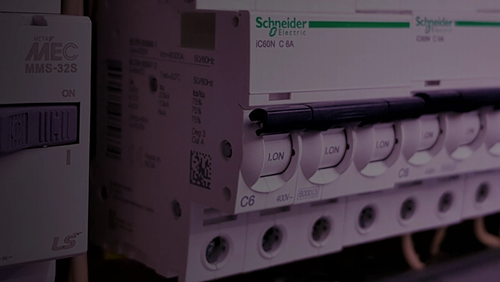
While the reversal of the Government's decision to allow Protective Earth and Neutral (PEN) switching was a fantastic result, we remain concerned that the prohibition could be fully or partially reversed through an upcoming review of the relevant standard by Joint Technical Committee EL-001. Following consultation with our Electrical Engineering Committee we wrote to the Joint Technical Committee and Standards New Zealand to reiterate our opposition to PEN switching.
Submission on Building Regulatory System review
In October, we submitted on the Ministry for Regulation’s Building Regulatory System Review, which is looking at whether lower-risk building work could be carried out without a building consent under Schedules 1 and 1A of the Building Act. Our submission, supported retaining the current consent exemptions and encouraged Government to consider other opportunities to improve the efficiency of the building system.
Building Amendment Bill
We are continuing to consult members and industry partners as we develop our submission on the Building Amendment Bill. Recently, senior lawyer Mark Anderson of Martelli McKegg delivered a Proportionate Liability 101 webinar for members. A recording of the webinar, together with further information about the Bill and some FAQs, are available on our website.
Other engagement and policy input
- Meeting with MBIE: Recently we met MBIE officials to discuss ideas for lifting practitioner performance and support for consumers. We presented on the key challenges and opportunities for improving productivity, quality and performance across the building system.
- Supporting consultation on Earthquake Prone Building (EPB) methodologies: MBIE is consulting on methodologies for identifying and assessing buildings under the new EPB legislation, including how their status will be determined. We’re helping MBIE promote opportunities for our members and the wider engineering profession to participate, including webinars, workshops and guidance. We’ll continue sharing these opportunities with members until consultation closes on 4 December. Further information is available on our website.
- Resource Management reforms: We’ve been keeping members informed about the implications of the new resource management system, which passed into law in September. Recently, Engineering New Zealand and ACE New Zealand partnered with Auckland Council to host a webinar on the Council’s preparations for the transition and what industry can expect during implementation. This followed a live event hosted by our Auckland Branch on 29 October. A recording of the webinar and further information about the reforms are available on our website.
- Submissions underway on rates capping and infrastructure planning: We’ve begun drafting a submission on the Government’s rates capping proposal, focusing on its potential implications for infrastructure and unplanned maintenance or renewal projects. We’re also preparing a submission on proposed investment and asset management planning policies to support the Government’s response to the National Infrastructure Plan..
If you want to know more about our advocacy work or want to get involved, get in touch at advocacy@engineeringnz.org.