
23 Sep 2026
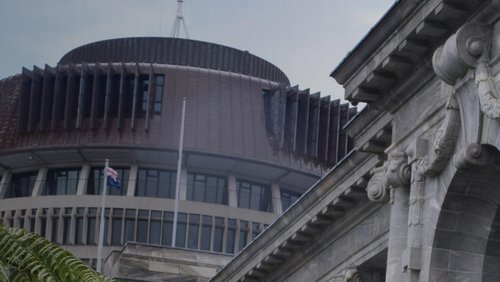
On Tuesday, the Government passed legislation to replace the Resource Management Act, with the Planning Bill and the Natural Environment Bill set to significantly reshape how New Zealand manages development and the environment.
Engineering New Zealand Te Ao Rangahau fully supports the intent of creating a more effective and efficient planning and resource management system, which ultimately carries significant implications for the engineering profession.
While we support the overall direction of reform, we remain concerned that aspects of both pieces of legislation could undermine progress made under previous frameworks and fail to strike the right balance between enabling development and protecting environmental and community values.
Spatial planning
We welcome the move toward a national spatial planning framework and recognise its potential to transform long-term infrastructure planning and delivery. Effective spatial planning helps ensure housing, transport, water, energy and other infrastructure are planned in a coordinated way, reducing future costs and providing greater certainty for communities and investors.
We are concerned however at the speed of which this framework and supporting National Policy Direction have been developed, increasing the risk of inconsistent implementation, gaps in decision making and increased litigation.
This is an opportunity for inter-generational progress that we cannot afford to risk getting wrong by rushing it through.
Regulatory relief provisions
Under the new regime, councils will need to consider how their rules impact the use of land, and provide relief to landowners (such as monetary repayment) where the impacts are significant.
We support a review of how areas of local interest and significance are protected, however we believe the new legislation risks creating unintended consequences. For example, there are concerns that councils may become less willing to protect environmentally significant areas or sites valued by communities because of potential financial liabilities and a lack of central government support.
These concerns are heightened by the challenging operating environment facing local government, including water reform, potential structural changes and ongoing financial pressures.
Climate change
While the legislation retains provisions relating to planning for and adapting to the impacts of climate change, we think it does not go far enough in requiring consideration of how development and infrastructure contribute to emissions and climate-related outcomes.
We are disappointed the legislation represents a step backwards on an issue where Aotearoa has the potential to be a leader in the Pacific and internationally.
Māori participation
Environmental, cultural and community considerations are fundamental to creating successful and enduring places and fit-for-purpose infrastructure.
That's why we are disappointed the role of Māori, and the consideration of mātauranga Māori have been reduced compared with the previous Resource Management Act framework. Meaningful engagement with Māori has proven to help create infrastructure and development that better reflects the communities it serves, while protecting land and sites of cultural and environmental significance.
Long-term certainty
Perhaps the biggest missed opportunity was securing long-term consensus around the future of our resource management system. Engineers, infrastructure providers and investors need a framework that can withstand changes of Government and provide confidence for long-term planning and investment, rather than having to continually second-guess future direction.
There is already a substantial body of evidence showing that uncertainty and policy instability leads to investment and delivery delays, driving up costs and in turn impacting the workforce across engineering, infrastructure and construction.
While we acknowledge and commend the Government’s efforts to progress reform at pace, this was a once-in-a-generation opportunity to establish a durable regime with broad support across the political spectrum. We are concerned this has not been achieved.
The speed of this legislative process may also create challenges around implementation. There is a risk that without clear and sufficient direction and guidance there may be inconsistent application, gaps in decision-making and a potential increase in litigation as councils, developers and communities seek clarity over how the new system should operate.
Summary
We remain committed to working constructively with Government, local authorities and industry as the new system is implemented, supporting development, infrastructure and economic growth while protecting the environmental and cultural values that are fundamental to Aotearoa's identity.
Head to the Beehive website for further details on the Government’s announcement of the changes.
You can also read our previous submission on the Bill here.
Following royal assent, a dedicated planning system website, planning.govt.nz, will become the central source of information, guidance and implementation support as the new legislation is introduced.