
5 Aug 2026
Chloe Williams leads Fulton Hogan New Zealand’s digital strategy, innovation, data and intelligent systems, with a clear focus on how technology can enable safer, more productive and better-informed engineering and construction outcomes.
While she brings strong technical and commercial acumen to her work, she also has a diverse background beyond the engineering sector, including in the arts and banking. Before beginning her tertiary studies, Chloe trained full time as a pre-professional ballet dancer at the New Zealand School of Dance, later performing in New Zealand and overseas. This mix of disciplines underpins her ability to collaborate, think laterally and design technology-enabled solutions that work in the real world.
How do you work with engineers?
I work alongside engineers across Fulton Hogan and our partner organisations, from project engineers and designers through to senior engineering leaders. My role sits in the middle of engineering, digital platforms, data and operational delivery. In practice, that means co-designing digital tools and platforms that support engineering workflows that let people do what they do well, consistently. I turn engineering, business and client requirements into scalable digital solutions, supporting trials and pilots of new technologies on projects, and helping engineers turn data into insights for decision-making and assurance. The partnership works best when digital and engineering are treated as equal disciplines working on the same problems from different angles.
How does your work impact on engineers?
My work shows up in the systems and tools engineers use every day. When we get it right, it reduces manual effort through integrated systems and automation – including in-house tools like our Fulton Hogan 3D scanning tool FHRapidView®, developed by our Engineering Solutions team – and improves visibility of quality, risk and performance data. It also means engineers have better support for consistency, traceability and compliance, and can spend more time focusing on engineering and less on administration. A key focus is enabling future-focused technologies such as AI to drive on-site productivity.

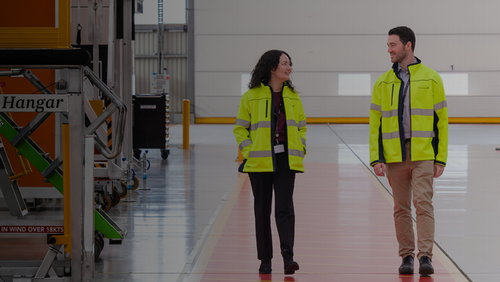
Photo: Supplied
How do engineering decisions impact on your work?
They’re one of the main inputs that shape our digital landscape. Design standards, construction methodologies and assurance requirements all drive how digital systems are configured, what data needs to be captured and how we interpret it. When engineering decisions are well defined and consistent, digital solutions scale cleanly across projects and regions.
What are some observations you’d make after working with engineers?
Engineers are highly pragmatic. They’re interested in solutions that work in the real world, not just on a slide. Tools need to be simple, effective and intuitive – something you can pick up and use without a manual. They carry a strong sense of accountability, particularly around safety, quality and risk. If they can’t find tools that support performance in those areas, they’ll go hunting for them or build workarounds. Engineers are also busy delivering. Any digital or process change needs a clear benefit to get traction, and training and support so engineers can troubleshoot quickly without extra hassle.
What do engineers all seem to do well?
Engineers are exceptionally good at breaking complex problems into logical, solvable pieces, and balancing quality, time and cost in less-than-perfect conditions. They’re constantly applying professional judgement where there isn’t a single “right” answer.
What do you wish all engineers understood better about your role?
With the speed at which technology is changing across the globe, digital ways of working must underpin everything we do. Digital teams are at their best when we’re brought in early, can understand the engineering context, and work alongside engineers as part of the decision-making process.
This article was first published in the June 2026 issue of EG magazine.