
25 Nov 2026
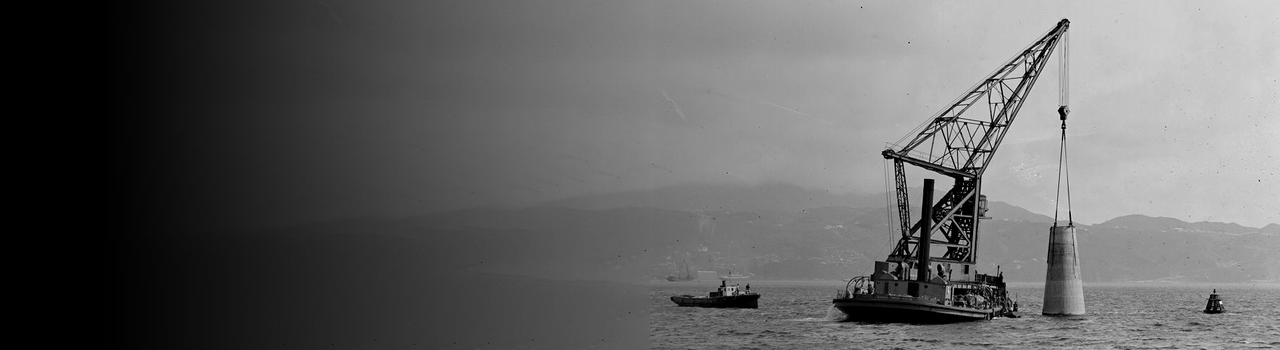
Next month, one of Wellington’s most recognisable waterfront residents reaches a remarkable milestone. On 21 December, the steam-powered floating crane Hikitia marks 100 years since she arrived in Wellington Harbour after an epic voyage from Scotland.
The story began in 1926, when Hikitia’s platform was built in Scotland by shipbuilders Fleming and Ferguson, and a crane by Sir William Arrol and Co. of Glasgow was mounted on top.
She left on 29 September 1926 and, with her jib raised, sailed via the Azores and Panama to Aotearoa. The voyage is generally accepted as a record distance sailed by a vessel of this type with its jib up.
Once in Wellington, Hikitia served the Wellington Harbour Board for more than 60 years, handling cargo, building and maintaining wharves and harbour facilities, and tackling heavy lifts that stretched beyond the Board’s wharf-based cranes, with its 80-tonne limit almost double the lifting capacity of those on the land. The name Hikitia comes from the te reo Māori for “to lift and steer”.
The Hikitia also carried out several significant tasks which included the sombre recovery of the Wahine in Wellington's harbour in 1968.
A lesser-known story occurred during the Second World War, when the Hikitia was involved in a dramatic rescue of the US Marine Corps supply ship - John Davenport - which had caught fire while berthed in the inner harbour with thousands of tonnes of explosive munitions on board. The Hikitia was able to quickly remove cargo off the ship’s deck which allowed the fire brigade to fight the heart of the fire and ultimately extinguish it.
By the mid-1980s the Hikitia had become surplus to requirements and was eventually sold to a dedicated group of enthusiasts intent on conserving the ship in working order. Ownership passed to the Maritime Heritage Trust of Wellington on 16 March 2006, and the Trust continues that approach.
Hikitia is thought to be the oldest remaining self-propelled operable floating crane in the world, and is of outstanding engineering significance. It was added to the Engineering New Zealand Heritage Register in 2009, and apart from several boiler replacements, the ship has remarkably not undergone significant change since she was built, with its latest major refurbishments at Lyttelton’s dry dock in 2009 which included repairs to the hull and servicing some underwater vales and propeller shafts.
Volunteers continue to keep her working, and the trust’s latest vision is an ambitious restoration plan – Project 27 – with the aim of turning the ship into a living piece of history and the latest public visitor attraction in the capital.
It's expected there will be several events occurring on the Wellington waterfront to mark the official centenary, with more information to be released on the Hikitia website soon.