
1 Oct 2026
A new Central Otago cycle trail follows a centuries-old travel route.
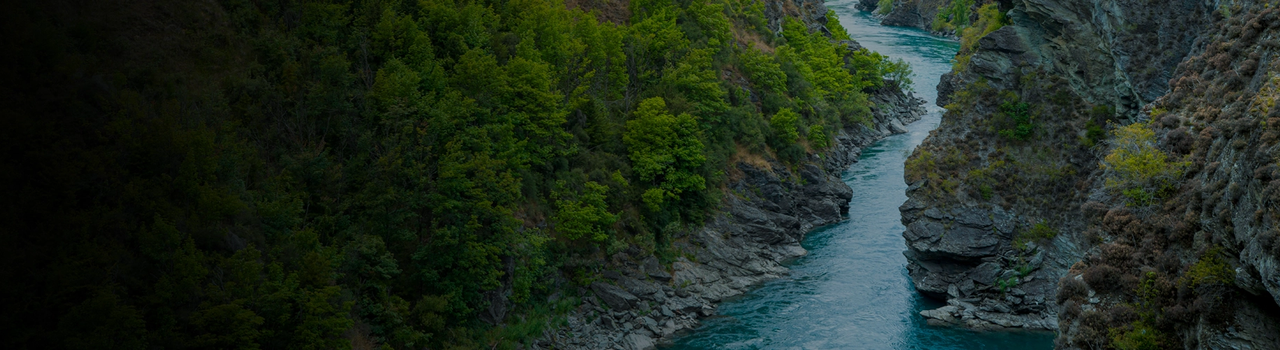
The South Island’s Kawarau River flows from Whakatipu Waimāori Lake Wakatipu, cutting a gorge through mountainous terrain to reach Mata-Au the Clutha River. A new cycle trail follows the river’s path, connecting Tāhuna Queenstown to Tīrau Cromwell, filling a missing piece in the Great Rides network. And while the cycle path may be new, the route itself is old. People have used the Kawarau Gorge as a route for centuries in the quest for resources, from pounamu to gold.
Traditional travel route
The route was well known to Māori. The Kawarau Gorge was the connecting link between the Clutha River and coastal Otago plains, to Lake Wakatipu and Te Tai Poutini (the West Coast) beyond. Pounamu was the prize sought in the Lake Wakatipu area and on the far side of the high mountain passes. Its strength, beauty and spiritual significance made it well worth the challenging journey.
Māori travellers engineered specialist clothing including shoes and rain capes to combat the region’s unforgiving mountain weather. Shoes woven of ti kouka (cabbage tree) or harakeke (flax) leaves would last anywhere between half a day to several days of walking depending on the roughness of the terrain. Rain capes were of a range of design and materials, but all included a woven foundation to which hundreds of hukahuka (strips of leaf fibre) were attached. Harakeke and ti kouka were commonly used. The hukahuka were highly effective in channelling off the rain, leaving the wearer warm and dry.
Knowledge of the route was also important and one place in the Kawarau Gorge was particularly significant. Pōtiki-whata-rumaki-nao was a natural rock bridge where the river narrowed enough for a person to leap across. It was the only place the Kawarau could be crossed without a waka or raft. In 1853, Māori leader Reko, from Tuturau in Southland, guided European explorer Nathanael Chalmers across this route.
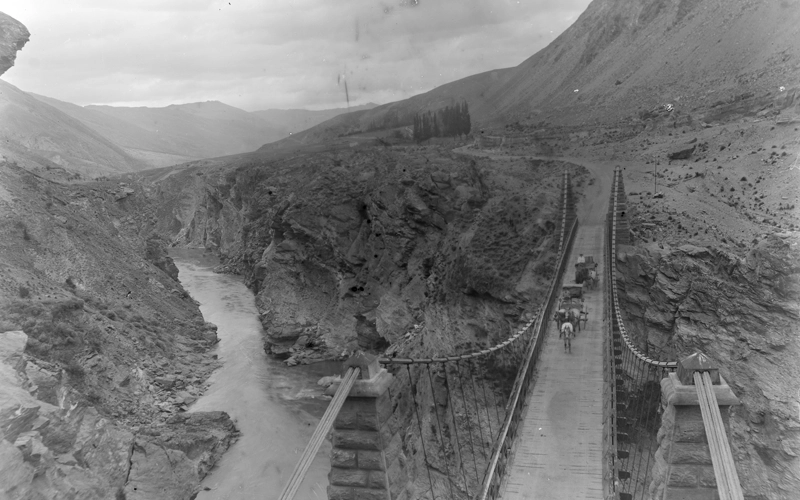
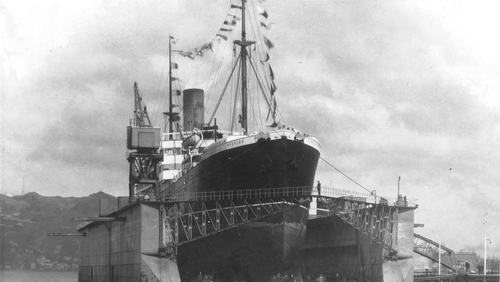
Kawarau Bridge, New Zealand. Photo: Muir & Moodie. Te Papa (C.015546)
European journeys
Nathanael was the first European to venture to the upper reaches of the Clutha River and to gaze upon the region’s majestic lakes. Many more would soon follow. The search for farmland enticed further European adventurers and entrepreneurs, who established farms in the Wakatipu area from 1860. In 1861 gold was discovered at Gabriel’s Gully near Lawrence, and the rush was on. The Kawarau Gorge and its strategic crossing point became a crucial route for prospectors working the river flats of the Kawarau, Shotover and Arrow Rivers. At its heady peak in the mid-1860s, about 100 miners worked and camped at Gee’s Flat, near the Cromwell end of the gorge.
From 1867, a punt took people and supplies across the river. The crossing point was not far downstream from where the Arrow River adds its flow to the Kawarau. Floodwaters could rise swiftly and when the river was high the crossing was both dangerous and long, sometimes taking more than an hour.
As more people began to settle in the Queenstown area, they pushed local government to provide a safe route through the gorge. The Kawarau Gorge Suspension Bridge opened in 1881. As well as providing a safe crossing, the bridge enabled heavy farm and mining equipment to be brought into the region. At 91.4m, the bridge was one of the longest in the country at the time. Dunedin engineer Harry Higginson specified local schist to form the bridge’s distinctive towers, which he positioned offset to provide greater lateral stability in the high winds that frequently whip through the gorge. His engineering excellence was recognised by the Institution of Civil Engineers UK who awarded his paper on the project the prestigious Telford Premium Award in 1882.
New thrills
A hundred years later, new travellers seeking not material riches but thrilling experiences, were drawn to the region. Jet boating, using the innovative HamiltonJet unit, designed by New Zealand farmer turned engineer, Bill Hamilton, gave travellers a very different way to experience the river. And from 1988, visitors have leapt not across the river, but from the 1881 Kawarau Gorge Bridge – site of the world’s first commercial bungy jump – an echo of those earliest dreams of riches and adventure.
Cindy Jemmett is Heritage Advisor at Te Ao Rangahau.
This article was first published in the September 2026 issue of EG magazine.