The conflict in the Middle East is evolving quickly and could have long-term consequences both here in Aotearoa and globally.
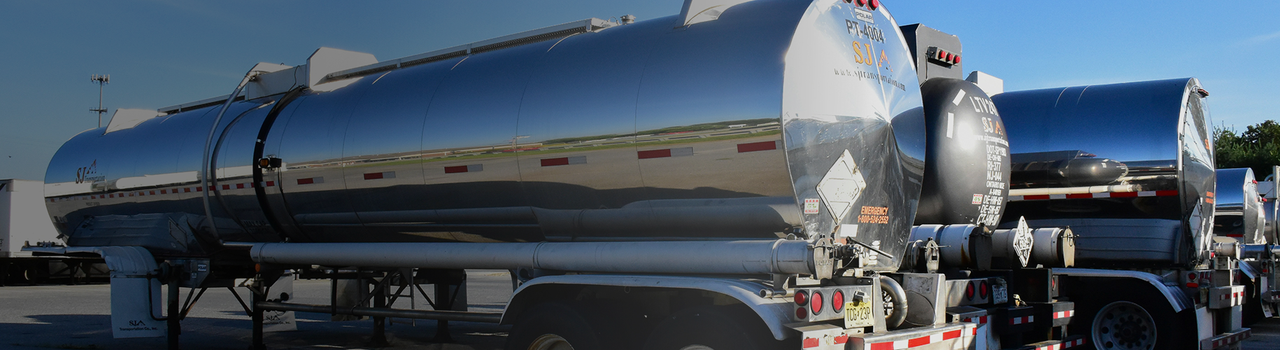
You’re already seeing the impact. Growing pressure on fuel supply and rising costs are flowing through every project, business and household across the motu. It can be challenging to keep up with what’s happening and understand what comes next for the sector. Bookmark this page and stay up to date on government guidance, expert analysis and practical ways to stay informed during this uncertain time.
Government guidance
New Zealand remains at Phase One of the Fuel Response Plan 2026. This means the fuel market is operating effectively and fuel is available nationwide. However, prices are rising due to global market changes. Access fuel as you normally would.
The Ministry for Business, Innovation and Employment has developed a page about how New Zealand prepares for international fuel disruption. The page is regularly updated with details covering current fuel stocks, fuel price monitoring and outlines the stages of the Fuel Response Plan 2026 if global conditions worsen.
Relevant government announcements
Announcements relevant to fuel disruption, business impacts, and practical resilience measures.
- First shipment of extra diesel reserve bound for NZ: The first of two shipments of New Zealand’s diesel reserve is now on the way to Marsden Point, marking the latest step in strengthening fuel resilience.
- Budget support for fuel cost pressures: Budget 2026 includes additional strategic fuel reserves, support for public transport cost pressures, and provision for further temporary support if conditions worsen.
- 2,500 additional public EV chargers: The Government says more than 2,500 additional public EV charge points will be rolled out through zero-interest loans and private co-investment, helping expand charging infrastructure across main centres and the regions.00
- Heavy vehicle changes during fuel uncertainty: The Government says some fuel-related regulatory relief measures are now being implemented, including changes intended to improve freight efficiency and reduce compliance burdens.
- Monthly fuel adjustments for infrastructure contractors: NZTA is moving to monthly interim fuel price adjustments across relevant public transport, construction and maintenance contracts to ease cashflow pressure when fuel prices move quickly.
New research into the cost of stop-starting infrastructure work
Civil Contractors New Zealand, Infrastructure New Zealand and Water New Zealand recently released a report assessing the true cost of delaying, deferring and cancelling infrastructure projects. This report estimates that over the past 25 years, stop-start infrastructure investment has cost New Zealand an estimated $11.8 billion.
Across the industry, there is significant concern that with rising costs of fuel, transportation and production of some materials Government agencies and local government may look to delay, defer or stop infrastructure work to mitigate short term costs. This report helps demonstrate the longer-term costs of this behaviour and urges for a steady and consistent infrastructure pipeline.
As part of this work Civil Contractors New Zealand, Infrastructure New Zealand & Water New Zealand have also developed a dashboard that supports analysis of the cost implications of delay or cancellation of horizontal infrastructure projects, including factors such as sunk cost, resumption cost, workforce, cost escalation and deferred public benefit. The tool is designed to support more informed conversations about value, sequencing and trade-offs across the infrastructure system.
Webinar on economic impact
Catch up on our recent webinar exploring the current fuel disruption and its impact on engineering and the wider economy. Revisit the expert analysis and insight from Brad Olsen – Chief Executive and Principal Economist at Infometrics – to better understand what to expect and how to navigate ongoing uncertainty.
Guidance for Contract Practitioners
Have you considered the impact of the ongoing fuel disruption on your contract administration? Read the Society of Construction Contract Practitioners' (SCCP) new guidance, developed to support Principals, Contractors and Contract Administrators in navigating uncertain economic conditions. Get practical tips and strategies to mitigate the disruption's impact on your work.
View the document | 1020.7 KB
Find out more about SCCP and the work they do.
Other helpful resources
Read additional information on how your contract might respond through EOTs, variations and cost fluctuations due to the Fuel Supply risk developed by law firm Hesketh Henry.
Russel McVeagh has written a useful article on contractual performance amidst a global fuel crisis.
The Special Conditions podcast: MEC‑26 – Contractual impacts on construction projects: Hamish Bolland and Sam Holden discuss how the current disruption could affect construction projects and contracts.
Ensuring the profession's voice is heard
Disruption to our fuel supply could force some tough choices. We’re advocating for the Government to stay focused on a consistent infrastructure pipeline and to strengthen New Zealand’s resilience against future shocks.
If you have ideas on how we can support you and the profession, get in touch with us.