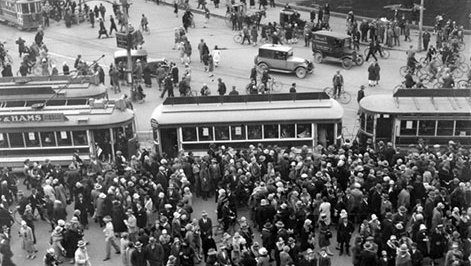
At this tramway system’s peak, the South Island city of Christchurch had New Zealand’s most extensive electric street tramway. In …
Learn more
Coupled in Motion Train Weighing (CIMTW) is a system that allows railway operators to weigh trains on the move. It …
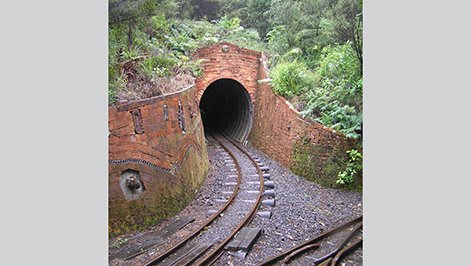
The Driving Creek Railway at Coromandel is the result of 32 years of innovative development by potter, Barry Brickell. The …
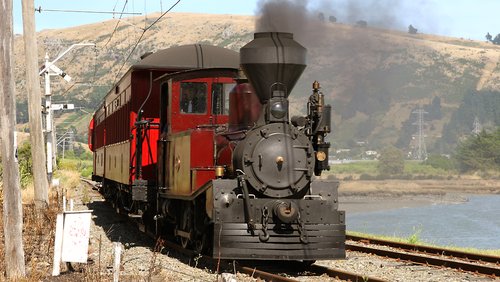
Ferrymead Heritage Park’s origins date from 1963 when Christchurch railway and tramway preservation organisations encouraged the Heathcote County Council to …
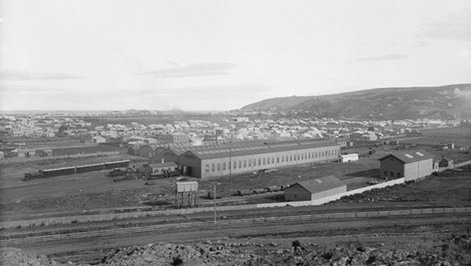
Dunedin's Hillside Railway Workshops have played a major role in the construction of locomotives and freight wagons for New Zealand’s …
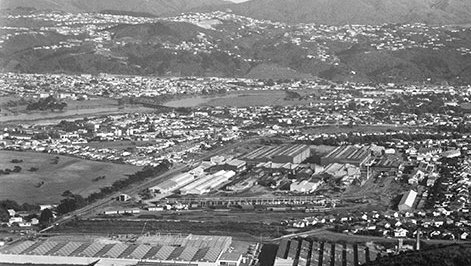
The Hutt Railway Workshops, in the Lower Hutt suburb of Woburn, was a significant place for the creation and maintenance …
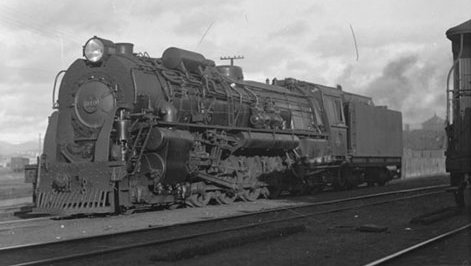
From 1932 the New Zealand-designed and manufactured K class steam locomotive, with its derivatives the Ka and Kb classes, was …
The North Island Main Trunk railway between Mangaweka and Utiku originally followed a tortuous route along narrow benches some 100 …
The South Island’s east to west coast railway opened in 1923 after 36 years of challenging construction, which included five …
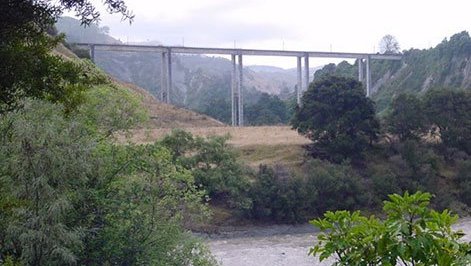
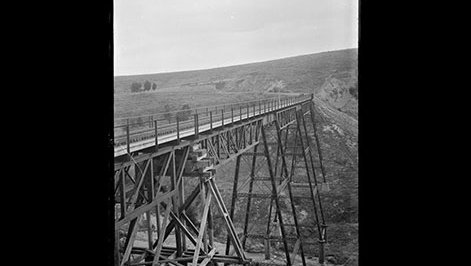
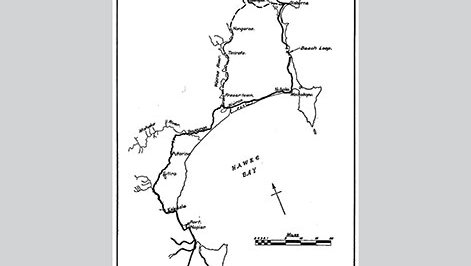
This line was a major feat of engineering, built through very difficult terrain and generally weak tertiary geological conditions. It …
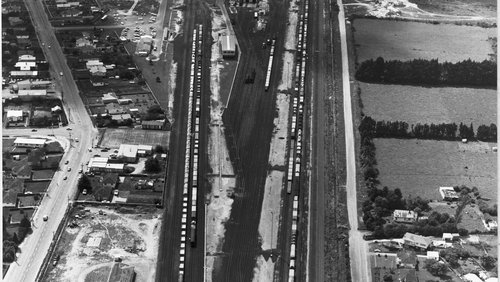
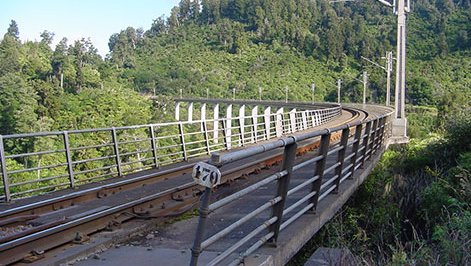
Implementation of long-deferred North Island Main Trunk (NIMT) line electrification schemes enabled a 50 per cent increase in train load …
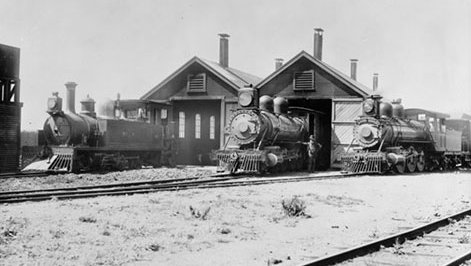
Opened in late 1908, the North Island Main Trunk railway (NIMT) linked Auckland with Wellington, Taranaki and Whanganui, and contributed …
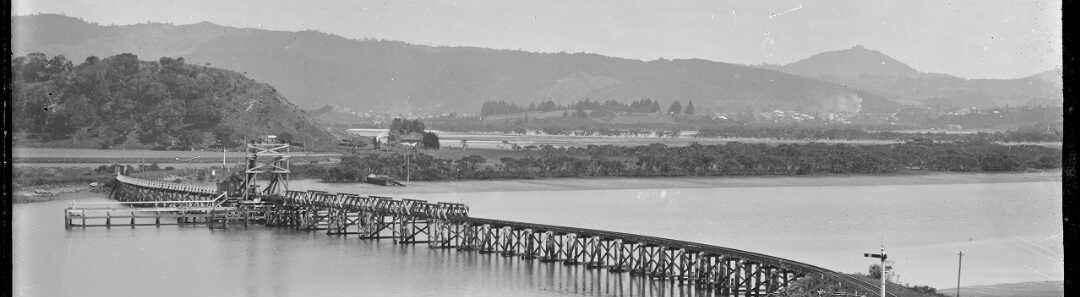
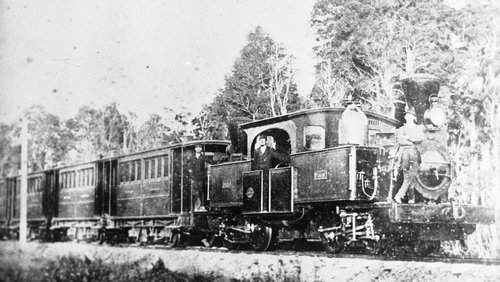
Northland’s first sections of railway were built to enable the extraction of the region’s rich natural resources: kauri and coal. …
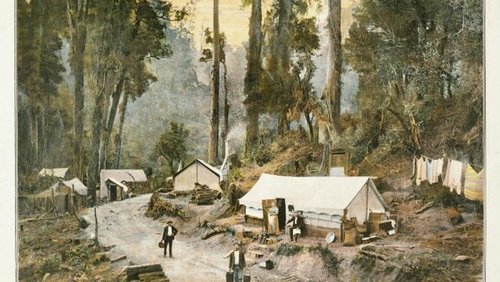
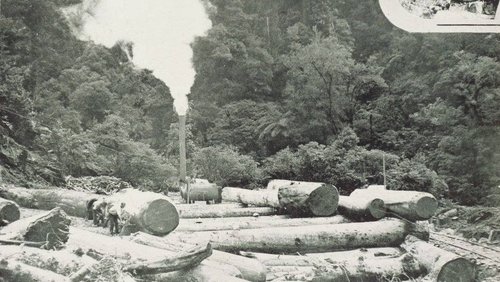
The Waitāwheta Gorge Tramway was constructed in 1909-1910 to enable the extraction of kauri from the Kaimai Mamaku Forest in …
Although initially a government project in 1879, the Wellington and Manawatū Railway (WMR) was completed by a company between 1881 …